How much does it cost to start a pickleball court in India?
What a pickleball court costs to build in India, the pricing models that actually fill it, and how to run bookings, memberships, and billing cleanly.

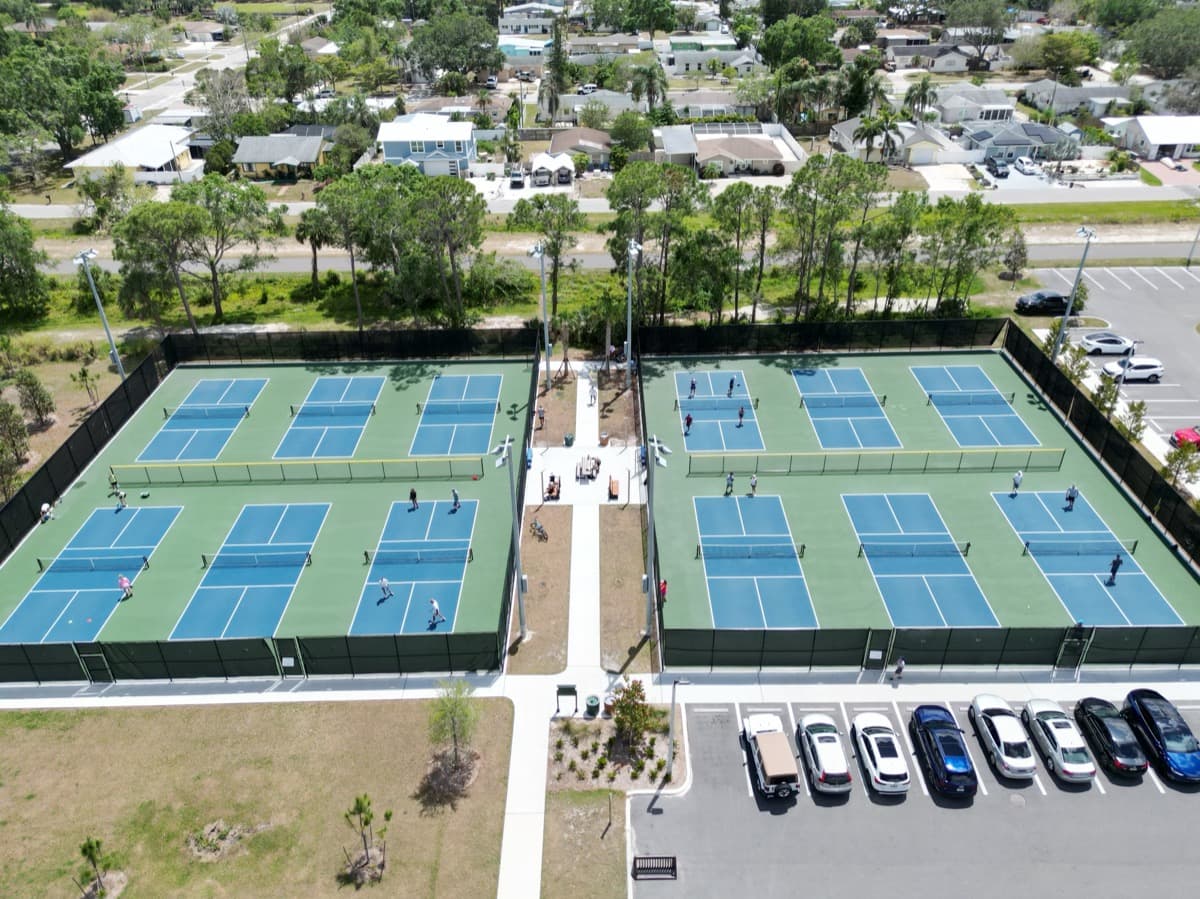
Pickleball has gone from "what's that?" to waiting lists in a couple of years, and India's metros and tier-2 cities are racing to add courts. If you're thinking about building one, the two questions that decide whether it works are: what does it actually cost to start, and how should you price the court so it's full on a Tuesday, not just a Sunday?
What it costs to start a pickleball court in India
Pickleball's appeal as a business is its low footprint: a court is a fraction of the size of a tennis or box-cricket setup, so you can fit two or three on a plot that holds one of those. Your main spend areas:
- Surface — acrylic or cushioned court surfacing and proper line marking is the core quality spend; players notice a bad surface immediately.
- Space and fencing — rent (or rooftop/club tie-up), fencing, and lighting for evening play, which is when most bookings happen.
- Nets, equipment, and a shaded waiting area — modest, but the paddles-and-balls rental adds a small revenue line.
- Software — a booking-and-billing tool is a small recurring cost that keeps utilisation and cash visible.
Because the footprint is small, multiple courts on one site is the move — it lets you run sessions back-to-back and host small round-robins.
Pricing models that work
Pickleball is a slot business, like a turf or a table: people book a court for a fixed duration. Three things make the pricing work:
- Per-hour court rate, with peak and off-peak tiers — weekday mornings cheaper than weekday evenings and weekends. Flat pricing under-earns at peak and stays empty off-peak.
- Memberships and prepaid packs — "10 sessions for ₹X" brings regulars back and pulls cash forward. Pickleball's social, habit-forming nature makes packs work especially well.
- Coaching and round-robins — paid clinics and small social tournaments fill the off-peak hours that single bookings won't.
Bookings, memberships, and filling off-peak
The operational core is a clean slot calendar: every court, every hour, shown as booked, held, or open — so players can grab a slot without a back-and-forth on WhatsApp, and you never double-book. Layer memberships on top (a regular's prepaid sessions draw down automatically as they play), and you've turned one-off bookings into recurring footfall.
The owners who plateau are usually the ones who can see their Saturday is full but have no idea why Wednesday is empty — because there's no data, just a chat thread.
Running the books cleanly
Players pay by UPI, cash, and card, often splitting a doubles session across four people. Settlement should be one booking, not four reconciliations. Regulars on a prepaid pack or a tab need a proper ledger, not a notebook. And at the end of the day, cash + UPI + card should reconcile against the till automatically.
This is where a generic POS falls short — it has no concept of a court slot, a prepaid pack drawing down, or a running customer tab.
How Strikee helps
Strikee is built for sports venues in India, pickleball included:
- Court slot bookings with a clear week view across all your courts — no double-bookings
- Memberships and prepaid session packs that draw down automatically as members play
- Split settlement across cash, UPI, card, and on-tab credit in one transaction
- Per-customer credit ledgers with limits and an overdue watchlist
- Add-ons (paddle/ball rental, drinks) on the same booking
- A daily cashbook that reconciles against your till, plus an owner dashboard for court utilisation and revenue
It's ₹399/month (one plan, all features) with a 30-day free trial, no card required. For the operational side in more depth, see the pickleball court management guide, and model your court utilisation with the free profit calculator before you build.
Pickleball's small footprint and social, repeat-play nature make it one of the most attractive court businesses in India right now. Build two or three courts, price peak and off-peak deliberately, sell session packs to fill the quiet hours, and run booking-and-billing that settles cash + UPI + tab in one go — and you'll fill the week, not just the weekend.
Run your venue on Strikee
Customer tracking, daily cashbook, credit ledger, tournaments — all in one app.