Starting a gaming zone in India: setup cost, revenue & management
What a gaming zone costs to start in India, where the money comes from, and how to run the floor — per-hour billing, snacks, hour packs, and a cashbook that matches your till.

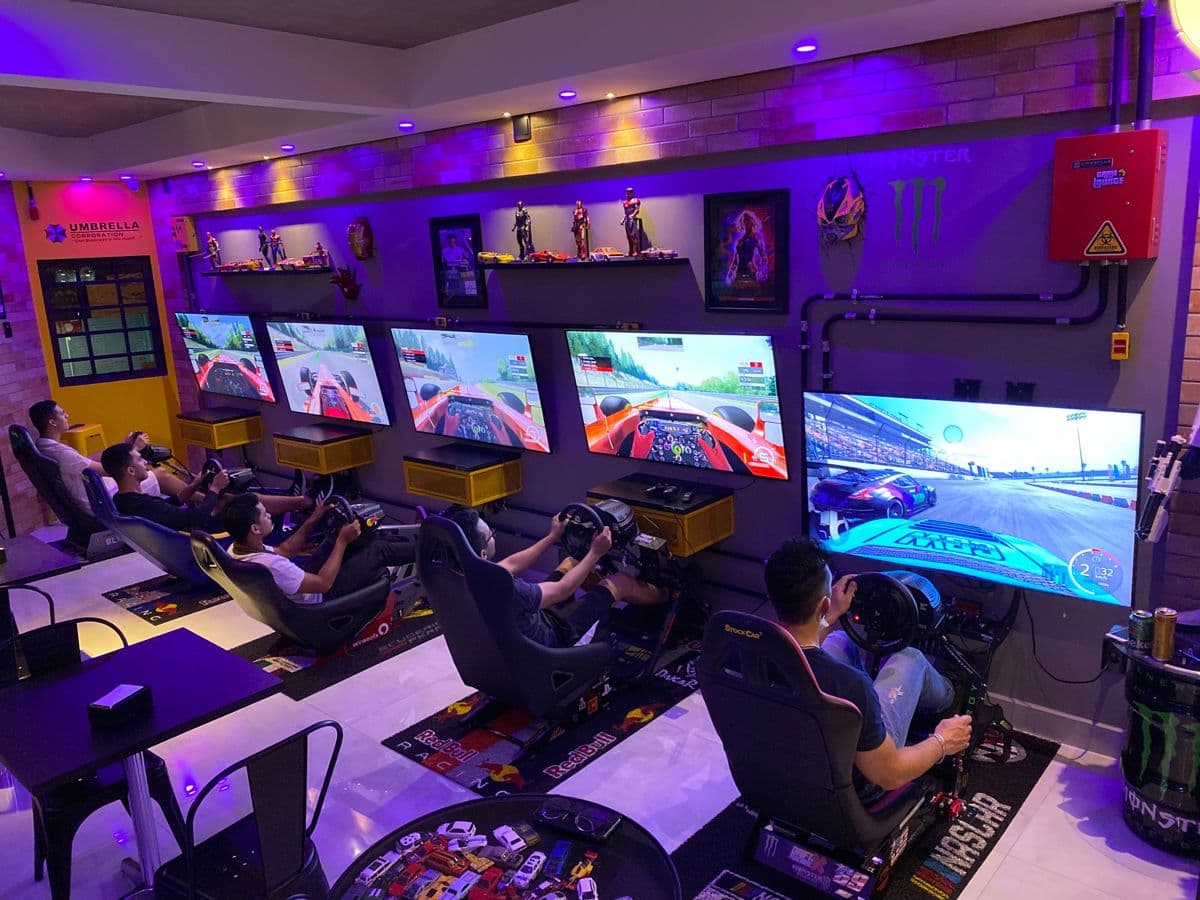
Gaming zones — PS5 and Xbox lounges, PC cafés, racing rigs, VR booths — are one of the fastest-growing venue businesses in India. The model is simple on paper: charge by the hour for a seat, sell snacks and drinks, and keep the stations busy in the evenings and on weekends. Making it profitable comes down to two things most owners underestimate: utilisation and clean day-to-day operations.
This guide covers what it costs to start, where the money actually comes from, and how to run the floor without the cash leaking out the back.
What a gaming zone actually costs to set up
Your biggest line items are space, consoles/PCs, displays, seating, and interiors. A small zone with four to six PS5/Xbox stations in a tier-2 or tier-3 city can be set up far cheaper than a flagship PC-and-VR arena in a metro mall. As a rough framing:
- Stations — consoles or gaming PCs, controllers, and a display per seat are the core spend, scaling directly with seat count.
- Space and interiors — rent, seating, acoustic/AC fit-out, and lighting. This is where metro vs. tier-2/3 location changes the maths most.
- Software — a billing and session-management tool is a small, recurring cost (often a few hundred rupees a month) but it's what keeps the rest of the operation honest.
Get the seat count right for your catchment first; it's easier to add stations than to carry empty ones.
How gaming zones make money
Revenue comes from three places, and the best zones run all three deliberately:
- Per-hour seat time — your core income. Track utilisation per station, per hour, per day-of-week. Evenings and weekends carry the business.
- Food and beverage — soft drinks, energy drinks, and snacks attached to a session lift the average ticket significantly, at high margin.
- Prepaid hour packs and memberships — "10 hours for ₹1,000" style bundles pull cash forward and bring regulars back. They're the difference between a zone that fills only on Saturdays and one that's busy on a Wednesday.
The owners who struggle are usually the ones who can't see which of these is working, because everything lives in a register.
Running the floor day to day
The operational reality is a counter person juggling several live sessions: who's on station 3, how long they've been playing, what they've ordered, and who's paid. The two failure modes are untracked time (sessions that run longer than billed) and untracked credit (regulars who "pay later" and sometimes don't).
A real system shows every active station, its running time and current bill, on one screen — and adds any snacks to that same session so it all settles together. At close, the day's cash, UPI, and card should reconcile against the till without anyone doing mental arithmetic.
Billing and payments at an Indian gaming zone
Indian customers pay in a mix of UPI, cash, and card — often within one group. A group of four splits a two-hour PS5 session three ways and one says "add it to my tab." Your billing needs to settle that as a single session, not three reconciliations later. And for regulars on a tab, you need a proper per-customer credit ledger with limits, not a notebook.
This is exactly the gap generic retail POS software leaves: it has no concept of a live, time-based session or a running customer tab.
How Strikee helps
Strikee is built for sports and gaming venues in India. For a gaming zone that means:
- Per-hour session tracking across every station, live on one screen
- Split settlement across cash, UPI, card, and on-tab credit in a single transaction
- Snacks and drinks billed on the same session
- Prepaid hour packs / memberships that pull cash forward and bring regulars back
- Per-customer credit ledgers with limits and an overdue watchlist
- A daily cashbook that reconciles against your till, plus an owner dashboard showing utilisation and revenue
It's ₹399/month (one plan, all features) with a 30-day free trial, no card required. If you're planning a new zone, the how to start a gaming zone in India guide covers location, licensing, and equipment, and the free profit calculator helps you model utilisation before you sign a lease.
A gaming zone lives and dies on busy stations and clean books. Get the seat count right for your catchment, sell hour packs to smooth out the week, and run billing that settles cash + UPI + tab in one go — and the numbers at 11 PM will match the till every night.
Run your venue on Strikee
Customer tracking, daily cashbook, credit ledger, tournaments — all in one app.